

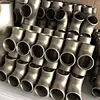
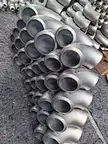
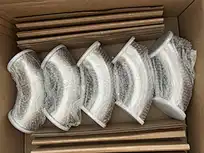
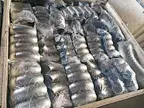


Titanium Elbow
Titanium Elbow
Schedule: Schedule 5S, 10S, 20S, S10, S20, S30, STD, 40S, S40, S60, XS, 80S, S80, S100, S120, S140, S160, XXS and etc.
Materials: Titanium
Grade: GR.1/2/2H/7/12
Type: Butt Weld (BW)
Specfiction: ASTM B363
Materials: Titanium
Grade: GR.1/2/2H/7/12
Type: Butt Weld (BW)
Specfiction: ASTM B363
Quantity
Titanium elbows are pipe fittings made of titanium, primarily used to change the direction of piping. Highly resistant to acid and alkali corrosion, they are commonly used in demanding environments such as the chemical, pharmaceutical, and seawater desalination industries.
- Common angles include 45°, 90°, and 180°: 90°is the most common and suitable for quick turns; 45°offers low fluid resistance, making it ideal for high-flow systems; 180°is used for U-bends.
- Difference between long-radius and short-radius: Long-radius elbows have a bending radius 1.5 times the pipe's outer diameter, allowing for smoother fluid flow; short-radius elbows have a radius equal to the outer diameter, saving space.
- Considerations for sanitary systems: For pharmaceutical or food-grade piping, 45°or long-radius 90°elbows are recommended to minimize cleaning dead zones and prevent bacterial growth.
What are the differences between material grades?
- TA2 (Gr2) is the most versatile: Commercially pure titanium offering good corrosion resistance and high cost-effectiveness; it is widely used for chemical piping.
- Choose alloys for special conditions: Titanium alloys like TA10 and TC4 offer higher strength and resistance to high pressure and temperature, making them suitable for deep-sea applications or high-pressure equipment.
- Match the connection method: Common methods include butt welding, flanges, and clamps; sanitary piping typically uses clamps, while high-pressure piping usually employs butt welding.